
Understanding Pre-Construction Costs
When homeowners begin planning a new home, granny flat, renovation, or extension project, most of the focus naturally goes toward the final construction cost. People often spend time researching build prices, materials, finishes, and floor plans while overlooking one of the most important stages of the entire process — pre-construction planning.
In reality, a significant amount of work happens before any slab is poured or framing begins on site. Design development, engineering, approvals, assessments, and technical documentation all form part of the pre-construction stage, and these early decisions can heavily influence the overall success, timing, and cost of a project.
Understanding pre-construction costs early can help homeowners budget more realistically, reduce stress during approvals, and avoid expensive surprises later in the build.
What Are Pre-Construction Costs?
Pre-construction costs are the expenses associated with preparing a project before physical construction begins. These costs cover the professional services, reports, drawings, approvals, and investigations required to properly design and assess the project before it can move into construction.
For many homeowners, this stage can initially feel confusing because there are multiple consultants, approvals, and technical requirements involved before any visible building work starts. However, these processes are essential for ensuring the project is safe, compliant, buildable, and financially realistic.
In Perth and across Australia, pre-construction requirements can vary depending on the type of project, the local council, site conditions, and the complexity of the design.
Why the Pre-Construction Stage Matters
One of the most common causes of construction stress is entering the build stage with incomplete planning or unrealistic expectations. When important details are unresolved early, projects are far more likely to experience delays, design conflicts, cost increases, and construction variations later.
The pre-construction phase helps identify issues before they become expensive onsite problems.
This stage is where homeowners and consultants begin refining:
- Layout functionality
- Structural requirements
- Site constraints
- Energy efficiency
- Approval pathways
- Material selections
- Budget alignment
- Construction feasibility
The more clarity achieved during pre-construction, the smoother the overall project typically becomes.
For many homeowners, this stage can initially feel confusing because there are multiple consultants, approvals, and technical requirements involved before any visible building work starts. However, these processes are essential for ensuring the project is safe, compliant, buildable, and financially realistic.
In Perth and across Australia, pre-construction requirements can vary depending on the type of project, the local council, site conditions, and the complexity of the design.
Concept Design and Early Planning
The first stage of most residential projects usually involves concept design drawings. This is where ideas begin turning into practical layouts that suit the property, lifestyle requirements, and project goals.
At this stage, homeowners often start exploring:
- Room layouts
- Building orientation
- Natural light
- Outdoor connections
- Site access
- Future family needs
- Overall project size
Concept design is not only about appearance. It also plays a major role in determining whether the project aligns with the available budget.
Small design decisions made early can significantly influence future construction costs. For example, complex rooflines, oversized glazing, difficult structural spans, or inefficient layouts can all increase construction complexity later.
This is why early design conversations are often just as important financially as they are architecturally.
Working Drawings and Technical Documentation
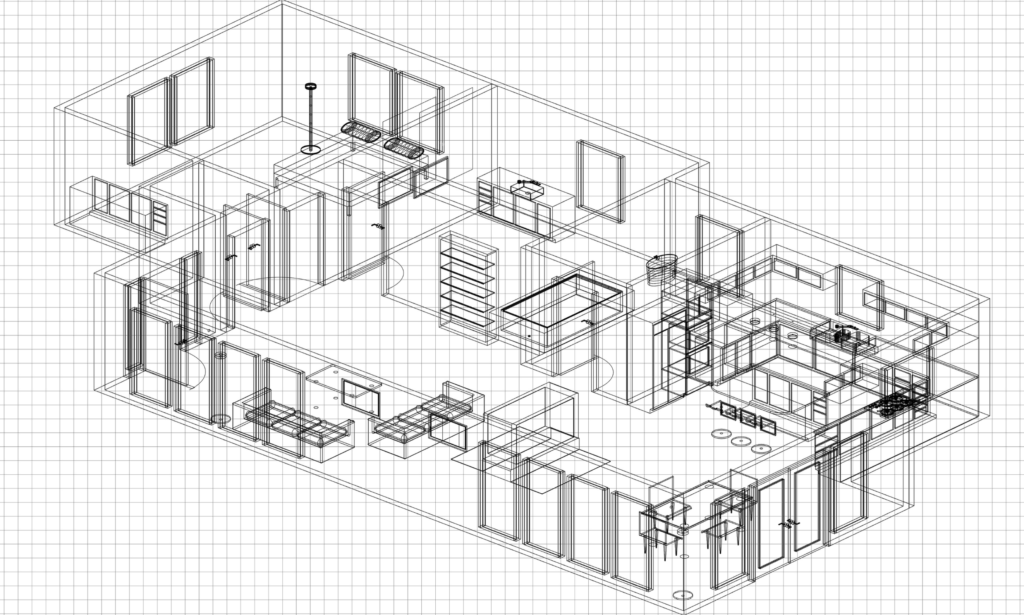
Once the concept design is refined, more detailed drawings are typically prepared for engineering, approvals, and construction pricing.
These working drawings may include:
- Floor plans
- Elevations
- Sections
- Site plans
- Construction details
- Window and door schedules
Detailed documentation helps create greater pricing accuracy because builders and consultants have clearer information to work from.
Incomplete or unclear drawings can create uncertainty during quoting, which often leads to allowances, assumptions, or future variations once construction begins.
Engineering and Structural Requirements

Structural engineering is another important component of the pre-construction stage. Engineers assess how the structure will safely perform based on Australian standards, site conditions, and the proposed design.
The level of engineering required can vary significantly depending on:
- Site slope
- Soil conditions
- Wind exposure
- Structural spans
- Retaining walls
- Existing structures
- Roof design complexity
For example, a flat block with a simple roof structure will generally require less engineering complexity than a custom-designed home on a sloping site.
Engineering is often one of the areas homeowners underestimate during early budgeting because much of the work happens behind the scenes before construction begins.
Soil Testing and Site Investigations
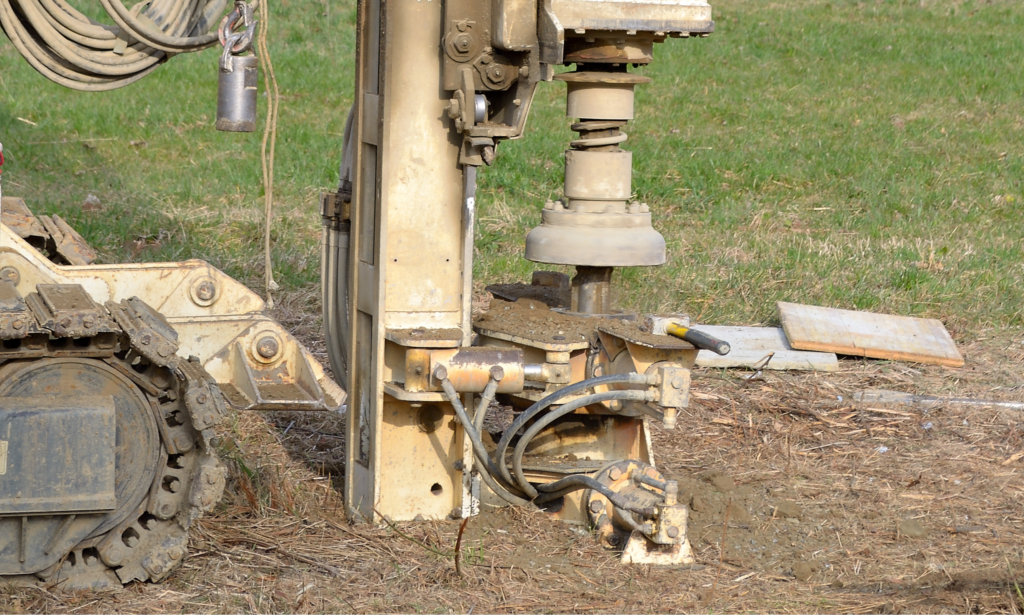
Every site behaves differently, which is why soil testing is commonly required before finalising footing and slab designs.
Soil reports help determine:
- Ground conditions
- Soil classification
- Reactive clay presence
- Footing requirements
- Potential ground movement risks
Poor soil conditions can increase construction costs due to additional excavation, reinforced slabs, or specialised footing systems.
Without proper site investigations early, these issues may only become apparent during construction, where costs and delays are often much higher.
Energy Efficiency and Compliance Requirements
Modern Australian homes must comply with energy efficiency requirements under the National Construction Code (NCC). Depending on the project, this may involve energy assessments, glazing calculations, insulation specifications, and ventilation analysis.
These requirements are becoming increasingly important as homeowners focus more on:
- Long-term energy savings
- Indoor comfort
- Sustainability
- Running costs
In some cases, energy efficiency requirements may influence window selections, shading systems, insulation upgrades, or building orientation.
Council Approvals and Building Permits
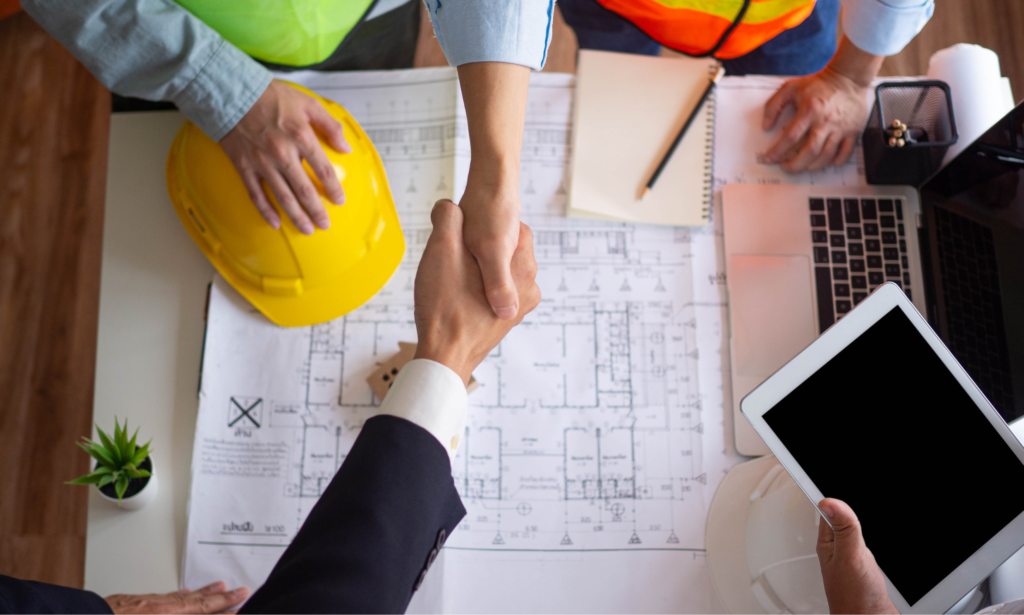
Before construction can commence, many projects require local council approvals or building permits. Approval pathways can vary depending on:
- The type of project
- Property zoning
- Site overlays
- Development complexity
- Local council requirements
This stage may involve:
- Development approvals
- Building permit applications
- Planning assessments
- Structural certifications
- BAL assessments
- Service authority requirements
Approval timelines can vary significantly, which is why early planning is important when setting realistic project expectations.
Why Pre-Construction Costs Are Often Worth the Investment
Some homeowners initially see pre-construction costs as an additional expense before “real building” begins. However, experienced industry professionals often view this stage as one of the most valuable investments in the entire project.
Good planning can help reduce:
- Construction variations
- Documentation errors
- Approval delays
- Budget uncertainty
- Site confusion
- Rework during construction
In many cases, spending more time and effort resolving issues early can prevent much larger financial problems later.
Final Thoughts
Pre-construction planning is one of the most important parts of any successful building project, even though much of the work happens before visible construction begins.
Understanding these early-stage costs allows homeowners to budget more realistically, prepare for approvals properly, and make informed decisions before committing to construction.
Whether planning a custom home, renovation, extension, or granny flat, strong pre-construction preparation helps create a clearer pathway from concept through to completion.
The better the planning process, the more confidence homeowners usually have throughout the rest of the building journey.