
Understanding Realistic Building Budgets in Perth
Building a new home, granny flat, or major renovation project is one of the biggest financial decisions most homeowners will ever make. Yet one of the most common challenges people face at the beginning of the process is understanding what a realistic construction budget actually looks like.
In Perth, building costs can vary significantly depending on the type of project, site conditions, design complexity, material selections, approvals, and the level of customisation involved. Two homes with similar floor areas can end up with very different final costs.
Understanding how construction budgets work early in the planning stage can help homeowners avoid unnecessary stress, delays, and costly surprises later.
Why Online Building Estimates Are Often Misleading
Many homeowners begin their research online and quickly come across “cost per square metre” estimates. While these figures can provide a rough starting point, they rarely reflect the full picture of a real construction project.
A standard project home on a flat site with basic inclusions will have very different costs compared to:
- A sloping block
- A custom-designed home
- A renovation connected to an existing structure
- A granny flat with difficult site access
- A project requiring higher energy efficiency standards
- A build with premium finishes or complex engineering
This is why relying purely on online averages can sometimes create unrealistic expectations before proper planning begins.
Site Conditions
The condition of the land plays a major role in overall construction costs. Factors such as:
- Soil classification
- Site slope
- Retaining requirements
- Access limitations
- Existing services
- Demolition requirements
can all affect earthworks, engineering, and labour requirements.
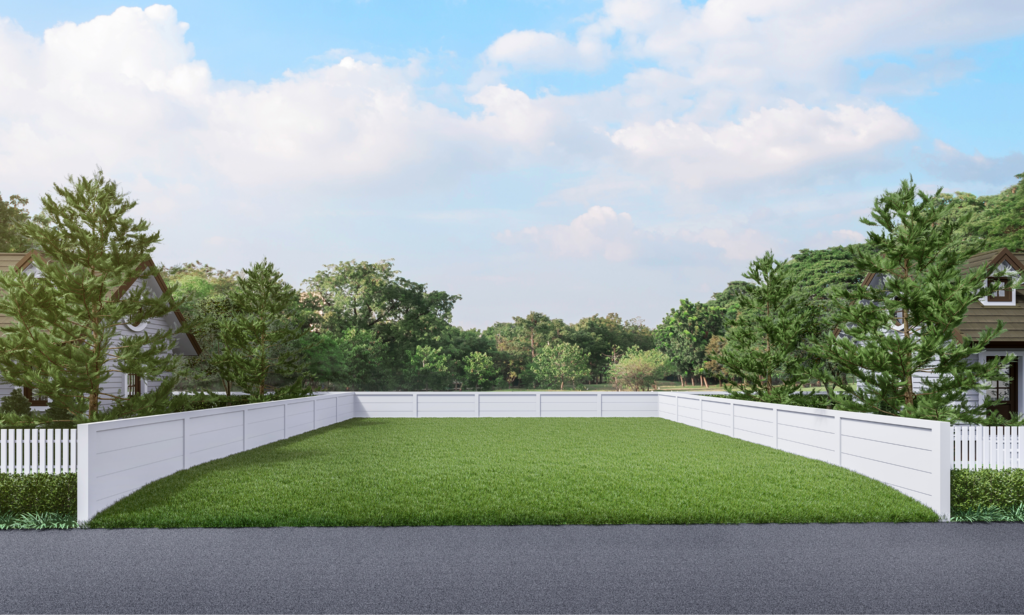
For example, a flat block with easy access is generally far more cost-effective to build on than a narrow or heavily sloped site.
2. Sustainable Materials
Simple layouts are usually more economical to construct than highly customised designs with:
- Multiple rooflines
- Large spans
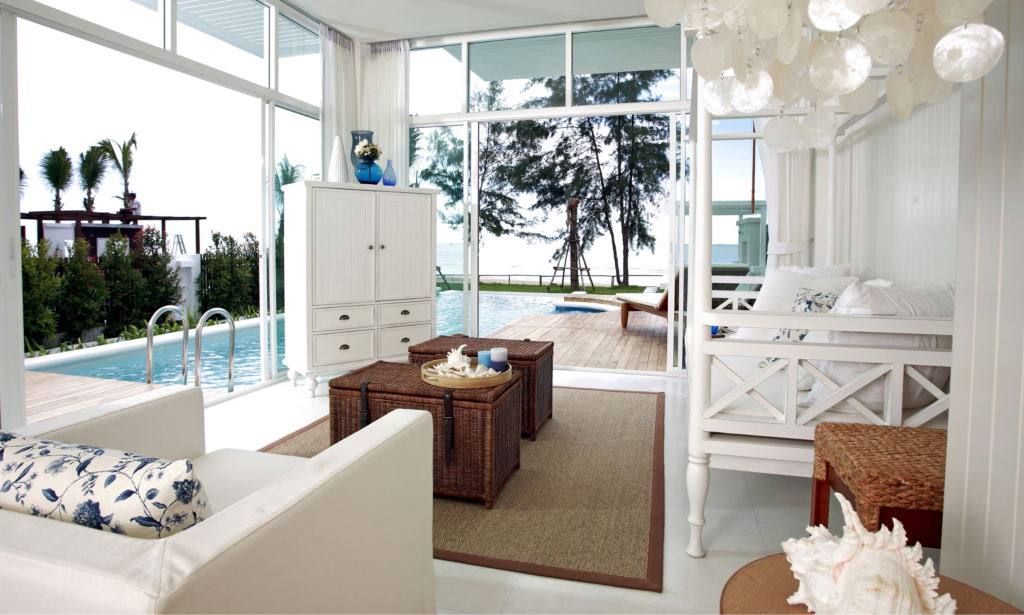
- Feature glazing
- High ceilings
- Complex structural requirements
- Custom architectural detailing
While customisation can create a beautiful result, it’s important to understand how design choices affect overall budgeting.
Inclusions and Finishes
One of the biggest differences between projects often comes down to selections and finishes.
Items such as:
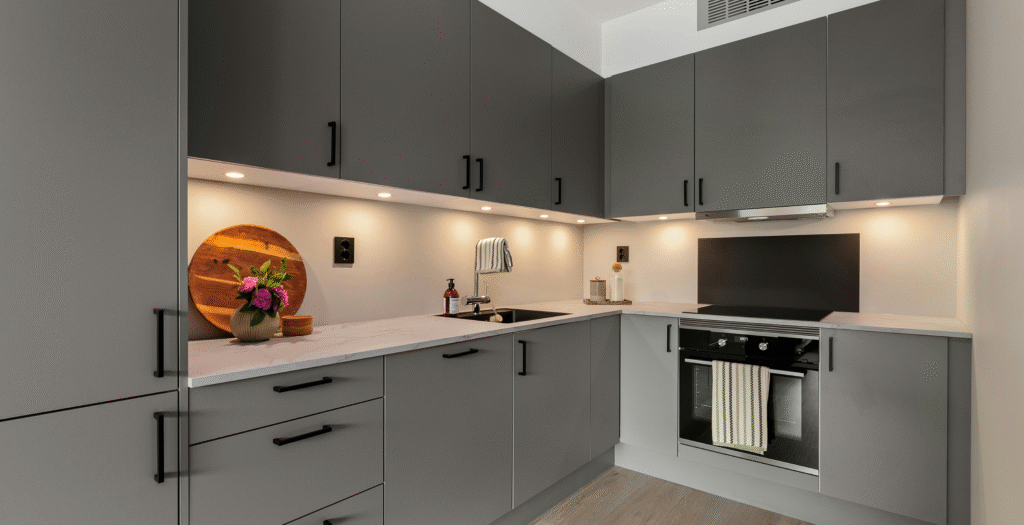
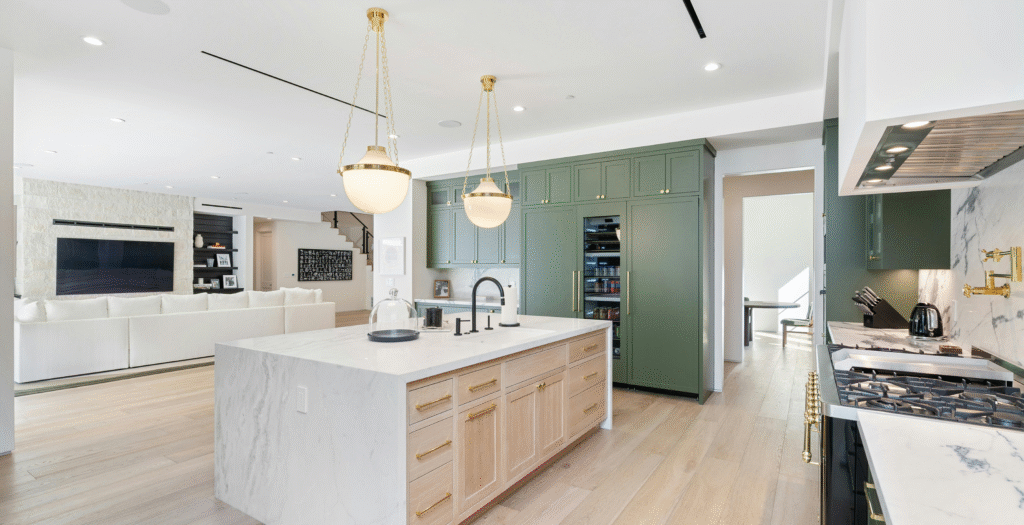
- Cabinetry quality
- Flooring selections
- Stone benchtops
- Appliances
- Bathroom fixtures
- Window systems
- Cladding materials
can significantly change overall costs.
Two homes may appear similar externally while having very different internal specification levels.
Pre-Construction Costs Are Often Overlooked
A common mistake homeowners make is focusing only on the construction contract itself while forgetting the costs required before building even begins.
Pre-construction expenses may include:
- Concept design drawings
- Working drawings
- Engineering
- Energy assessments
- BAL reports
- Surveying
- Soil testing
- Council approvals
- Building permit documentation
These stages are essential for developing accurate pricing and reducing uncertainty during construction.
Why Contingency Planning Matters
Even well-planned projects can encounter unexpected costs. Material price fluctuations, latent site conditions, design changes, or service upgrades can all impact the final budget.
This is why many experienced builders and consultants recommend allowing a contingency buffer during planning.
Having financial flexibility helps reduce stress and allows homeowners to make clearer decisions throughout the project.
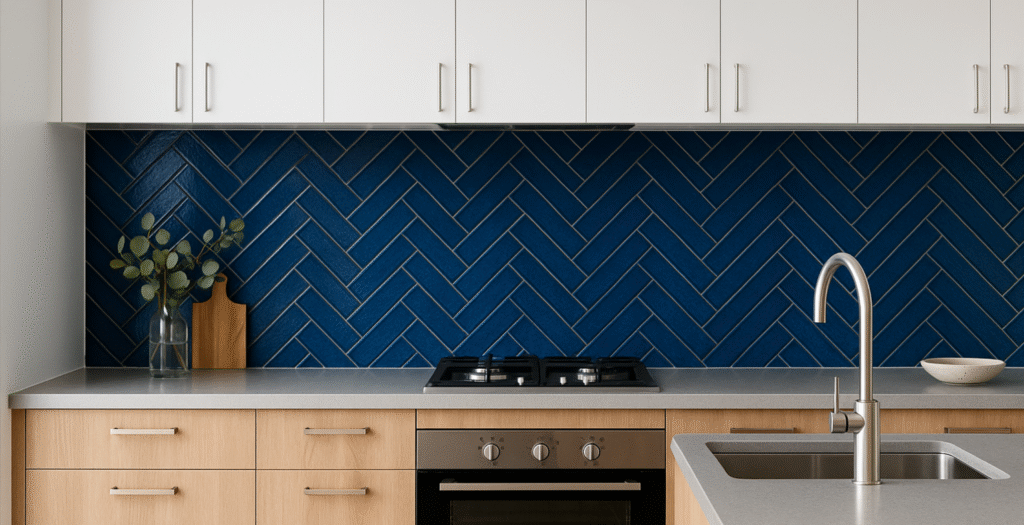

The Importance of Early Builder Conversations
Many homeowners wait until they have completed drawings before speaking with a builder. However, early budgeting discussions can often help identify:
- Unrealistic expectations
- Cost-saving opportunities
- Design adjustments
- Construction risks
- Approval considerations
- Alternative material solutions
Early collaboration can help align the project vision with realistic financial expectations before significant time and money are invested into documentation.
Budgeting Based on Lifestyle Goals
A realistic building budget should not only focus on the lowest possible price. It should also consider:
- Long-term lifestyle needs
- Energy efficiency goals
- Future family requirements
- Maintenance costs
- Quality expectations
- Resale considerations
Sometimes investing slightly more upfront in better planning, layout efficiency, insulation, or durable materials can provide better long-term value.

Site Conditions
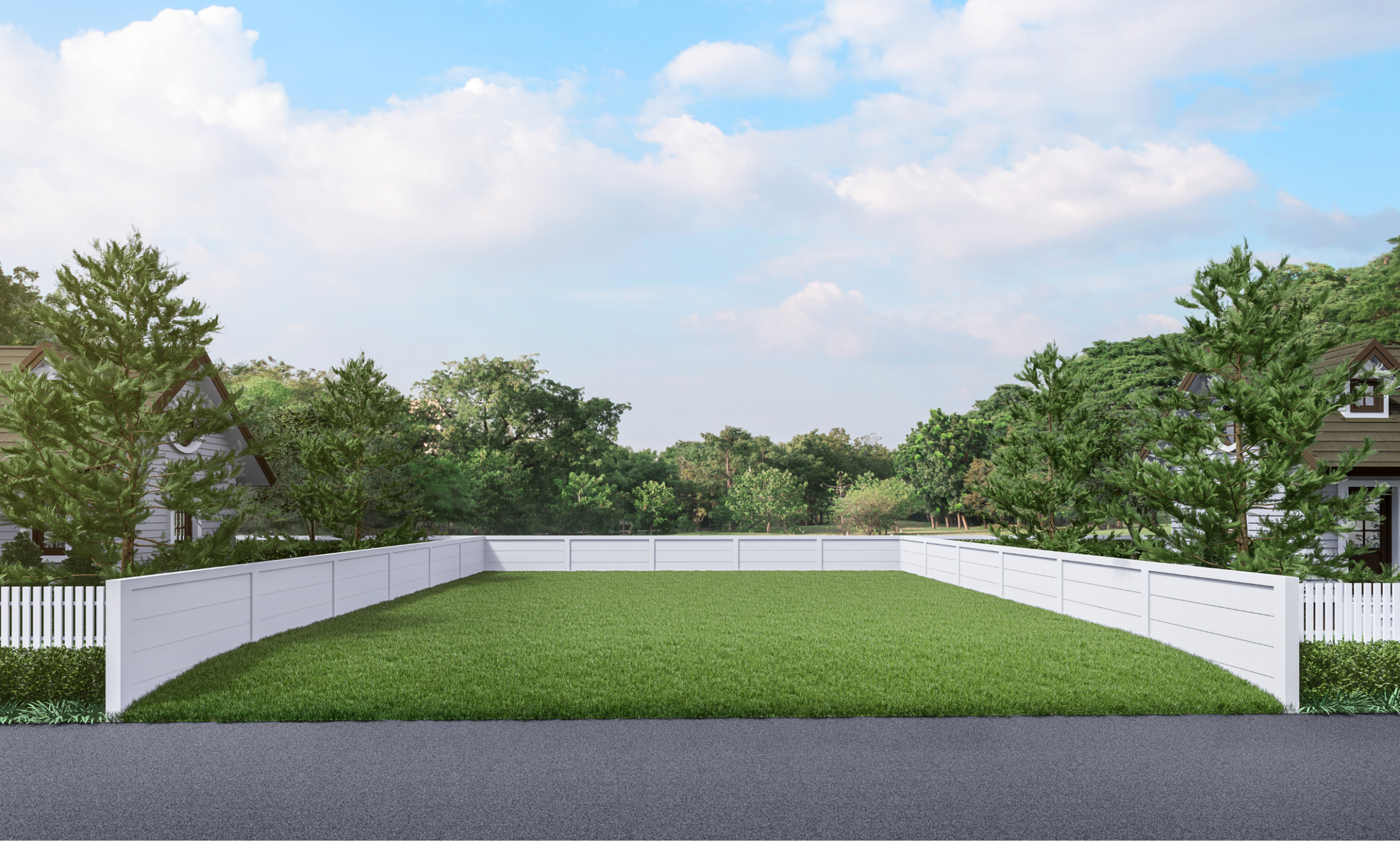
The condition of the land plays a major role in overall construction costs. Factors such as:
- Soil classification
- Site slope
- Retaining requirements
- Access limitations
- Existing services
- Demolition requirements
can all affect earthworks, engineering, and labour requirements.
For example, a flat block with easy access is generally far more cost-effective to build on than a narrow or heavily sloped site.
Sustainable Materials
Simple layouts are usually more economical to construct than highly customised designs with:
- Multiple rooflines
- Large spans
- Feature glazing
- High ceilings
- Complex structural requirements
- Custom architectural detailing
While customisation can create a beautiful result, it’s important to understand how design choices affect overall budgeting.
Inclusions and Finishes
One of the biggest differences between projects often comes down to selections and finishes.
Items such as:
- Cabinetry quality
- Flooring selections
- Stone benchtops
- Appliances
- Bathroom fixtures
- Window systems
- Cladding materials
can significantly change overall costs.
Two homes may appear similar externally while having very different internal specification levels.
Pre-Construction Costs Are Often Overlooked
A common mistake homeowners make is focusing only on the construction contract itself while forgetting the costs required before building even begins.
Pre-construction expenses may include:
- Concept design drawings
- Working drawings
- Engineering
- Energy assessments
- BAL reports
- Surveying
- Soil testing
- Council approvals
- Building permit documentation
These stages are essential for developing accurate pricing and reducing uncertainty during construction.
Why Contingency Planning Matters
Even well-planned projects can encounter unexpected costs. Material price fluctuations, latent site conditions, design changes, or service upgrades can all impact the final budget.
This is why many experienced builders and consultants recommend allowing a contingency buffer during planning.
Having financial flexibility helps reduce stress and allows homeowners to make clearer decisions throughout the project.
The Importance of Early Builder Conversations
Many homeowners wait until they have completed drawings before speaking with a builder. However, early budgeting discussions can often help identify:
- Unrealistic expectations
- Cost-saving opportunities
- Design adjustments
- Construction risks
- Approval considerations
- Alternative material solutions
Early collaboration can help align the project vision with realistic financial expectations before significant time and money are invested into documentation.
Budgeting Based on Lifestyle Goals
A realistic building budget should not only focus on the lowest possible price. It should also consider:
- Long-term lifestyle needs
- Energy efficiency goals
- Future family requirements
- Maintenance costs
- Quality expectations
- Resale considerations
Sometimes investing slightly more upfront in better planning, layout efficiency, insulation, or durable materials can provide better long-term value.
Final Thoughts
Understanding realistic building budgets is not about removing ambition from a project. It’s about creating a clear and informed pathway from concept to construction.
The earlier homeowners understand the factors influencing cost, the easier it becomes to make confident decisions around design, finance, approvals, and overall project planning.
Every project is different, and realistic budgeting always comes down to balancing priorities, expectations, and long-term goals.
With proper planning, practical guidance, and transparent conversations early in the process, homeowners can approach construction with far more clarity and confidence.